
Nexo LS600
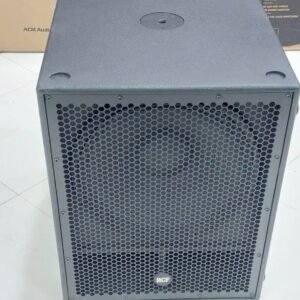
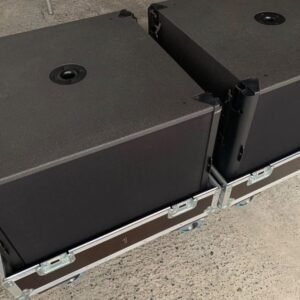
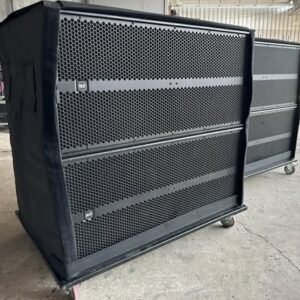
Nexo LS600 is available from Bsound Pro Audio in Excellent condition. The price is €500 per unit, with 6 units available. Each unit is offered individually.
LS600 low-frequency extension
The Nexo LS600 is a fifteen-inch subwoofer associated with the PS10-R2 system. NEXO’s datasheet identifies an eight-ohm long-excursion neodymium driver and describes the subwoofer as a low-frequency extension for the PS10-R2 loudspeaker.
Its published useful range is 38Hz–120Hz at -6dB with the specified controller. This is a system reference: crossover settings and the prescribed processing form part of the complete operating arrangement. The LS600 should be planned as a component of that arrangement, rather than as an interchangeable generic cabinet selected only by driver diameter.
Cabinet and connections
The manufacturer lists a Baltic birch enclosure, two four-pole Speakon connectors and a top stand fitting. The official document provides the appropriate model-specific wiring and operating reference. Where a system uses both full-range and subwoofer cabinets, recording the signal path and connector assignments before integration makes the intended routing easier to check.
Application planning
Low-frequency coverage depends on the listening area and the planned cabinet arrangement. For a PS10-R2 installation, the LS600 provides a defined route to extending the low-frequency part of the system while keeping the loudspeaker and controller documentation within the same manufacturer family.
Before selecting additional equipment, establish the model of the existing full-range cabinets and the available controller and amplifier arrangement. Then compare that system with NEXO’s LS600 guidance. This allows cabinet quantity and placement to follow the needs of the application rather than the number of units shown in a photograph.
Extending a PS10-R2 system
The LS600’s relationship with the PS10-R2 gives a buyer a defined system context. Its role is to serve the low-frequency section while the associated full-range cabinets handle the range assigned to them. That division should be represented in the processor configuration and in the physical connection plan.
For an existing PS10-R2 installation, begin by identifying the current processing and amplifier arrangement. Adding a subwoofer is a change to the system design, not simply another cabinet placed near the stage. The intended low-frequency coverage, operating level and signal routing should be considered together.
Reading the response specification in context
The official usable-range figure is given with a particular measurement reference and the specified controller arrangement. It describes the model under those conditions. It does not establish how much low-frequency output a buyer will experience at every listening position in a venue.
A useful comparison therefore starts with the application. Decide what low-frequency role the LS600 needs to fulfil and how that relates to the main loudspeakers. Then use the model-specific data to assess whether the planned arrangement is appropriate. The response figure should be read alongside the rest of the system guidance rather than used as the only selection criterion.
Processing, loading and cabling
The LS600 is a passive subwoofer. Its amplifier and controller form part of the complete operating arrangement. Keep the low-frequency processing route and the final amplified loudspeaker route distinct in the system documentation so that both can be checked clearly.
The eight-ohm nominal impedance and the manufacturer’s recommended arrangements are relevant to amplifier selection. They should not be reduced to a simple assumption that any amplifier with a sufficiently large number on its front panel will suit the application. Review the intended output loading and the correct NEXO guidance for the actual loudspeaker count.
The two Speakon connectors and the manufacturer’s wiring references provide a defined physical connection format. Before adding a cabinet to an existing system, trace the current route and check how the intended low-frequency signal reaches it. Labels that identify the actual destination are more useful than cable numbers without a corresponding drawing.
Physical integration and placement
The LS600’s top fitting is part of its model design, while the correct use of any external mounting equipment is a separate deployment decision. Select that equipment according to the manufacturer’s guidance and the actual system arrangement. Its presence as a design feature does not describe the contents of this sale.
Low-frequency placement should follow the desired listening-area result and the constraints of the installation. It is useful to distinguish those acoustic decisions from storage, transport and convenience. A cabinet may fit neatly in a space without that position being the best choice for the intended sound system.
Keeping exact model records
The LS600 is different from the earlier LS500 and from the larger LS18. Keep its full model name in the inventory and the rack documentation. This helps an engineer select the right information when equipment from several NEXO generations is held together.
Six individual LS600 units are available on this listing at the stated unit price. The quantity required for a project should come from the proposed design. The manufacturer datasheet provides the correct model reference, while the listing supplies the seller’s condition, stock and price information.
Manufacturer information and related equipment
Official manufacturer information · Additional official documentation. Explore subwoofers at Bsound Pro Audio for related equipment.
There are no reviews yet. Be the first one to write one.