
Lake LM26
Lake LM26 is available from Bsound Pro Audio in Excellent condition. The price is €1,000 per unit, with 6 units available. Each unit is offered individually.
LM26 digital loudspeaker processor
The Lake LM26 is a standalone digital audio loudspeaker processor. The official datasheet describes a two-input/six-output Contour configuration or a four-input/four-output Mesa processing arrangement. These are operating configurations of the processing platform and should be read with the manufacturer’s routing documentation.
The model brings together system equalisation, crossover functions, delay and limiting. Lake’s published functions include Raised Cosine Equalization, linear-phase and classic crossover options, and LimiterMax peak and RMS limiting. Each function serves a different part of the system-processing task.
Analogue, digital and networked audio
The manufacturer documents analogue audio with Iso-Float ground isolation, AES3 digital I/O and Dante audio networking. It also specifies 96kHz internal sampling, 24-bit conversion and a 32-bit floating-point internal data path. The existence of these interfaces makes the intended signal format an important part of a system plan.
Before incorporating an LM26 into a rack, establish where the incoming feeds originate and how the processed outputs will reach their destinations. That plan should distinguish physical connectors, networked channels and processing modules. Clear documentation is particularly useful when a processor may need to serve different sound-system arrangements over time.
Configuration and control
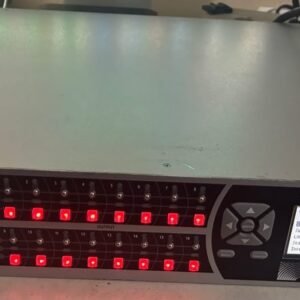
The datasheet identifies Lake Controller as the configuration and control environment, with local front-panel metering, display and mute access also provided. The relationship between software configuration and local hardware access is useful to understand when choosing how a system will be operated.
The official LM26 datasheet is linked below for the precise model reference. Use it alongside the appropriate software and network documentation when selecting a configuration. The LM26 should be assessed as its own model rather than treated as interchangeable with the LM44 or the newer LMX48.
Two analogue inputs, six analogue outputs and the processing structure
The LM26’s analogue hardware provides the two-input/six-output arrangement associated with its model identity. The manufacturer also describes different internal processing configurations. Those two views should be kept distinct: physical sockets describe how analogue signals connect, while processing modules describe what happens to signals inside the device.
This is useful when comparing Contour and Mesa operation. A processing mode that handles a particular number of signal paths does not create extra physical analogue inputs. The routing and available transport formats determine how the selected processing arrangement is supplied with audio and how its outputs reach their destinations.
Contour mode and multi-band loudspeaker processing
A Contour configuration is associated with loudspeaker-processing duties. In that role, the engineer considers the operating bands required by the loudspeaker system and how they relate to the amplifier channels and final connections. The crossover decision belongs to that complete design.
Before configuring the LM26 for such an application, identify the intended inputs and the purpose of each output. Retain the loudspeaker and amplifier information with the processor configuration. This makes it possible to review the whole arrangement rather than treating the DSP file as an isolated object.
It is also useful to distinguish a routing change from a processing change. Sending a signal to a different destination and altering the filters applied to that signal are different decisions. A clear plan shows both so that an engineer can understand what has changed when a system is adapted.
Mesa mode and full-range signal treatment
Mesa operation provides another way to organise the processing task. Rather than beginning with a set of loudspeaker crossover bands, the engineer can consider the system-EQ role of each feed. The required arrangement depends on the application and the available routing.
For several destinations carrying related programme material, identify which adjustments need to be independent. One destination may require a different level or frequency-balance decision from another. The processing structure should reflect those requirements instead of being chosen solely because a familiar module layout is available.
Raised Cosine equalisation and crossover choices
Lake identifies Raised Cosine Equalization together with linear-phase and classic crossover options in the LM26 documentation. These are specific facilities within the processing platform. Their availability does not determine the correct setting for a loudspeaker or venue.
The useful approach is to define the intended result and then select the appropriate processing method. Read the manufacturer’s exact parameter and operating guidance for the chosen mode. A filter’s name describes part of its behaviour, while the complete system determines whether and how it should be used.
Peak and RMS limiting are different concerns
The LM26’s LimiterMax facilities include peak and RMS limiting. These terms relate to different aspects of signal behaviour over time. A practical protection arrangement needs to consider the connected equipment and the intended operating limits rather than selecting a threshold from the processor’s available range alone.
Keep those choices associated with the loudspeaker/amplifier design. A preset name is useful only when its intended system is known. A stored setup from another application should be reviewed before being used as the operating basis for a different collection of equipment.
Analogue isolation and digital transport
The analogue audio path includes Lake’s documented Iso-Float approach, while AES3 and Dante provide additional transport possibilities. When designing the signal route, identify which source uses which format and what the destination requires. This keeps the connection plan understandable even when more than one transport method is involved.
A networked audio route also needs an appropriate network and format plan. The presence of network connectors alone does not explain the intended subscriptions, channel allocation or clocking relationship. Use the model-specific documentation and the actual system requirements when selecting the arrangement.
Lake Controller, local indication and operating clarity
The software view and the front-panel view serve related but different practical needs. Lake Controller organises the system configuration, while the local display, metering and mute access help the engineer identify and inspect the unit at the rack. Consistent names connect those views.
Document the role of each module and destination. This is especially useful when several Lake processors form part of one system or when units move between applications. A clear record explains why a configuration exists and how it relates to the physical equipment.
Assessing an LM26 purchase against a real requirement
For an existing inventory, compare the exact model, connection arrangement and intended processing role with the LM26 documentation. For a new system, list the sources, operating bands and destinations first, then decide whether the LM26’s hardware and processing structure fit the requirement.
Six individual LM26 units are available here in Excellent condition at €1,000 per unit. The condition and quantity are seller-supplied information. The manufacturer’s technical data provides the reference for the model’s design, while the correct configuration remains a decision for the complete system in which a purchased unit will be used.
GPIO and a defined external-control requirement
The LM26 datasheet identifies software-configurable GPIO and describes control or status relationships with external equipment. Such a facility belongs to a specific operating design. Define what an external action is intended to change or report before selecting the interface arrangement.
For example, a processor state and an audio route are related but different things. A control action needs a clear purpose and supported behaviour, while the audio plan needs to show the sources and destinations involved. Document both and use the correct LM26 guidance for the chosen interface.
Time-based processing and physical system design
Delay provides a way to change the timing relationship of signals, but its useful value comes from the system design. The available parameter range describes what the processor permits. It does not identify the correct setting for a particular loudspeaker position or listening area.
Retain the reason for a delay value with the corresponding destination label. If that destination moves or its role changes, the reason can be reviewed. This is more useful than carrying a number forward from one setup to another without knowing what physical relationship it was intended to address.
Comparing an additional unit with an existing configuration
For an established LM26 inventory, compare the incoming unit’s intended role with the documented configuration of the system. Check the model identity, the selected processing structure and the required connection formats as related parts of the same plan.
Keep the physical unit and the operating file traceable to one another. That makes a replacement or expansion easier to review and reduces dependence on informal knowledge of which processor was previously used where. The useful aim is a repeatable signal-management arrangement that another engineer can understand from the equipment and its records.
Analogue output planning
The LM26’s six analogue outputs should each have a defined destination in the final connection record. Where several operating bands or independently processed feeds are required, identify which output serves each one and keep that record with the processor configuration. This makes the six-output hardware arrangement a clear part of the system design rather than an unexplained set of cable connections at the rear of a rack.
Manufacturer information and related equipment
Official manufacturer information · Additional official documentation. Explore processors at Bsound Pro Audio for related equipment.

There are no reviews yet. Be the first one to write one.